3 January, 2026
What Are Branded Residences and Why Developers Are Choosing Them
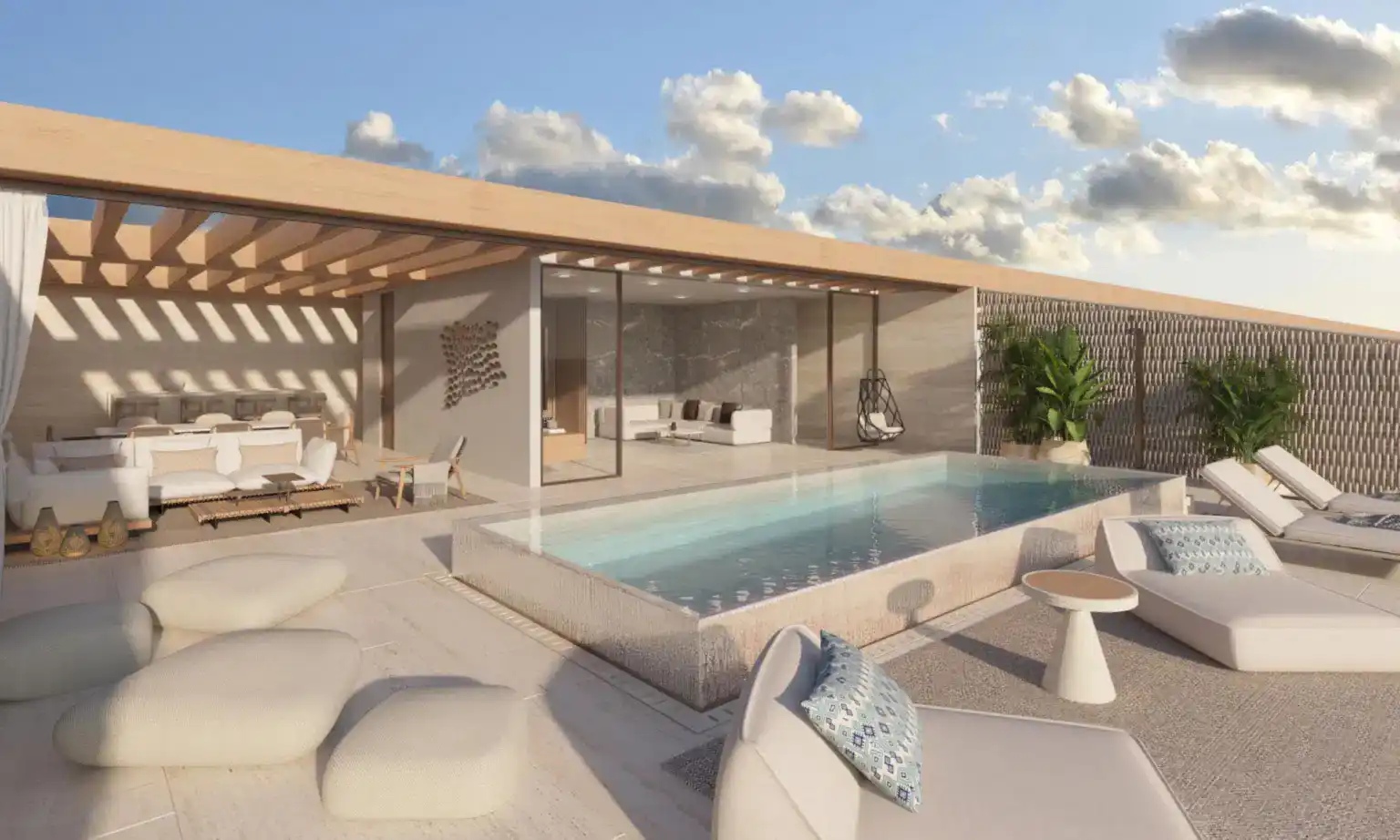
The market for luxury homes within India is rapidly evolving, with branded residences at the forefront of this growth. Branded residences combine private ownership with hospitality or lifestyle branding from around the globe. Developers see branded residences not only as a status symbol but also as a solution for premium pricing, differentiating products from competitors, and generating sales within urban marketplaces such as Gurgaon.
What Exactly Are Branded Residences?
At a basic level, branded residences are homes developed in association with well-known hotel or lifestyle brands. Buyers own the property, while the brand manages services, upkeep, and the complete living experience. Branded residences in India are often incorporated within mixed-use developments that combine residential housing with hotel, office, or retail space. The areas located near Golf Course Road or along the Dwarka Expressway in Gurgaon are advantageous due to:
their proximity to business centers
international schools, and
established social infrastructure
A development approach increasingly adopted by premium-focused real estate groups, such as Whiteland. The brand’s involvement ensures consistent quality, long-term maintenance, and a globally familiar living experience.
Why are Indian Buyers Drawn to Branded Residential Projects?
Today's affluent Indian buyer travels frequently, stays in premium hotels, and anticipates similar levels of comfort at home. Hotel branded residences facilitate that same experience in a home without the additional headache associated with operating within a crowded marketplace. Key factors influencing a buyer's final decision regarding luxury branded living:
Access to hotel-inspired living service (e.g., concierge, housekeeping, and valets)
Designs, layouts, and finishes aligned with international brand standard
Optional rental management for owners who travel or live overseas
As such, branded residential projects tend to be sold at a 30-40% premium over standard luxury homes.
What do Developers Gain Financially
From the perspective of developers, the economics of branded residential properties differ significantly. Early brand-led trust means:
Faster pre-sales
Higher ticket sizes
Lower marketing friction
In addition, sales from the residential component help fund the hotel or commercial component of the project. The price for the luxury-branded residences is at least 30% higher than the price for standard luxury residential properties, and India appears to be following this trend.
A Quick Look at India’s Growth Story
India is a small player in the global luxury living marketplace today, but the trend is escalating because of increasing wealth concentration, very limited available luxury inventory, and an increasing number of non-resident Indians purchasing these properties. Cities like Gurgaon, Mumbai, and Bengaluru are leading the charge in growth in this area, with buyers searching for professionally managed homes close to work, dining, and social venues. Hospitality-backed residences will continue to be a resilient form of asset, even during slowdowns in the market.
Why Developers Are Investing in This Model
Developers view this model as a way to build their brand image and stand out from other luxury projects in the market, not just as a way to increase revenue. Through branding their properties, developers can:
Establish themselves at the top of the luxury market
Reset the pricing for their properties
Attract international buyers and non-resident Indians
Branded residences not only benefit individual units but also raise the overall image of the branded development ecosystem, allowing for long-term growth.
Key takeaways
Branded residences are expanding rapidly across India due to a growing number of NRIs and urbanisation.
They provide private ownership with hotel-style services, offering a globally familiar living experience.
Buyers pay a premium price for brand trust, quality, and convenience.
Developers benefit from speed in faster sales and greater pricing power.
The model supports long-term value creation for both buyers and developers
FAQs
What are the two types of residence?
What are some disadvantages of serviced apartments?
Difference between a branded residence and a serviced apartment?
Are branded residences a good investment?
Difference between a branded house and a house of brands?
About the Publisher:This article is published by Whiteland Corporation, a premium real estate developer with a focus on lifestyle-led residential projects in Gurugram. The insights shared are based on evolving residential trends, buyer behaviour, and long-term market observations.
Recent Blogs
←Back to all blogs
What Makes a Residence Future-Ready?
Read More →
Why Well-Being Is Becoming a Differentiator in Real Estate
Read More →
The Value of Professionally Managed Living
Read More →