14 January, 2026
How Hospitality Services Are Reshaping Luxury Residential Living in India
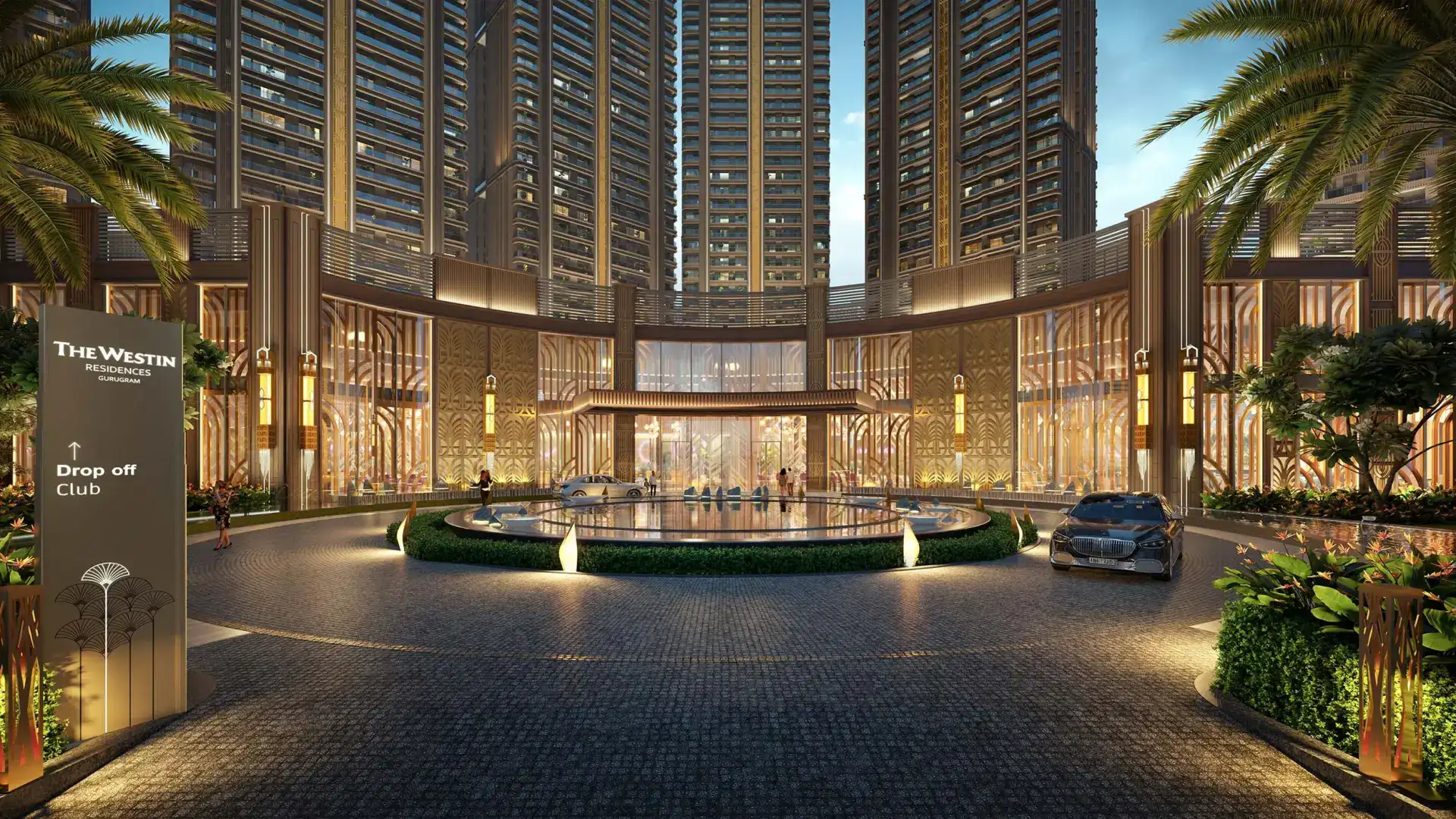
Today, in India, luxury housing is no longer limited to well-designed apartments and premium locations. Now, buyers are actively seeking hospitality-driven living. Homes that offer daily comforts through professional-style services like those found in hospitality-focused hotels. The transformation of luxury residential living is significantly impacting HNIs (High Net Worth Individuals) and NRIs (Non-Resident Indians) in metropolitan areas. Therefore, developers are beginning to incorporate hospitality-driven services into their communities.
Why Hospitality Services Are Redefining Luxury Residential Living
Hospitality-led features in India are fundamentally changing how homeowners view their residences. Service becomes more integral to everyday life than simply being an occasional amenity. Reasons driving the transformation include:
Delivering services to affluent buyers seeking hotel-inspired living without the inconvenience of traditional hotel experiences.
Due to COVID-19, there has been an increased emphasis on wellness, safety, and assisted services.
Lifestyle expectations are influenced through international travel experiences and branded housing developments in international locations.
Knight Frank India has reported that luxury developments that provide structured services are achieving 20-30% higher value than premium housing markets. According to reports from JLL's India Luxury Housing Outlook in 2025, nearly 65% of luxury buyers list wellness and concierge-style services among their most important needs when considering potential homes.
What’s Driving Developers to Adopt Hospitality-Driven Living
Developers now recognise that hospitality-driven living is no longer an add-on but rather a strategic differentiator. Major drivers include:
Rapid urbanization of Tier-1 cities such as Mumbai, Delhi-NCR, and Bengaluru.
The rise in luxury housing development, as evidenced by CREDAI statistics reflecting 40% YoY growth in luxury projects incorporating spa-led clubhouses.
Government policies for smart cities and mixed-use development initiatives, along with better alignment with existing RERA regulations.
Many developers believe that by adding structured hospitality-type services to their projects, they can streamline and improve their development approval process and future asset positioning, especially in heavily regulated markets like Maharashtra and Haryana.
Essential Hospitality Services Gaining Traction
Developers will gain many advantages by adding the following menu of essential hospitality-type services to their projects:
Concierge and Butler-Style Services
Daily housekeeping assistance, guest management, and booking coordination. Benefit for luxury residential communities, particularly in larger, high-density developments.
Wellness, Spa, and Fitness Services
Provided by certified professionals. Effective and compliant with current AYUSH and IGBC wellness standards.
Dining and In-Residence Services
On-call chefs, curated pop-ups, and food partner companies. Enhance the appeal of service-led residences.
Using Technology to Create Connectivity
Luxury communities have been increasingly adopting app-based platforms that allow residents to place service requests, manage visitors, and pay their utility bills. These IoT-based systems will be able to reduce operational costs by approximately 15-20% while providing a higher level of resident satisfaction.
Benefits for Developers and Residents Alike
Hospitality-led communities benefit both developers and residents in many ways, including:
The ability to create quicker sales and increase the pricing power of their developments.
The creation of additional revenue streams through memberships and lifestyle services.
Higher retention rate of residents due to consistent high-quality service.
The greatest benefit to residents is the ability to enjoy the daily conveniences of professional support without the sacrifice of privacy or ownership.
Regulatory Considerations Developers Must Address
While compliance is still an important issue for developers, there are certain points to consider when developing hospitality-driven communities:
NDMA clearances for shared amenity areas.
Disclose services in accordance with RERA.
Developers should ensure their projects are aligned with sustainability norms.
Official platforms such as the RERA portal are also an important resource to be utilised by developers to verify compliance.
Case Studies from the Indian Market
DLF The Camellias, Gurugram
Hotel-style amenities provided for homes selling for over ₹20 million per unit.
Lodha World One, Mumbai
Concierge services and spa facilities helped achieve status with 98% hotel occupancy.
Prestige Group, Bengaluru
Well-being-focused development with state-mandated town planning policies
Future Developments of Hospitality-Focused Community Projects
Industry experts predict that by 2030, 70% of the luxury housing market will include hospitality-related services. Developers should allocate 10-15% of their total project budget to hospitality services and roll out to manage capital efficiently.
Key Takeaways
Hospitality-driven living is now expected by all affluent customers, not just HNIs and NRIs.
Developers gain faster sales and stronger pricing power when hospitality services are planned, compliant, and professionally managed.
Concierge, wellness, and tech-enabled services are currently the most sought-after and differentiating factors in the modern luxury housing market.
FAQs
What are the influences on the hospitality industry?
What is the luxury hospitality industry?
What is a key factor in creating a unique luxury hospitality experience?
About the Publisher:This article is published by Whiteland Corporation, a premium real estate developer with a focus on lifestyle-led residential projects in Gurugram. The insights shared are based on evolving residential trends, buyer behaviour, and long-term market observations.
Recent Blogs
←Back to all blogs
What Makes a Residence Future-Ready?
Read More →
Why Well-Being Is Becoming a Differentiator in Real Estate
Read More →
The Value of Professionally Managed Living
Read More →