18 October, 2026
Branded Residences, Explained Simply: How They're Priced, Managed and Sold Differently
Table of Contents
- 1.Why Are Branded Residences Priced Differently?
- 2.What Does the Price Actually Cover?
- 3.Who Manages a Branded Residence?
- 4.How Are Branded Residences Sold?
- 5.What Changes After You Buy?
- 6.Branded Residence vs Premium or Luxury Residence
- 7.What Should Buyers Look Beyond the Brand Name?
- 8.How the Branded Model Applies to Westin Residences Gurugram
- 9.A Practical Way to Evaluate a Branded Residence
- 10.Frequently Asked Questions
- 11.Conclusion
Branded residences combine private home ownership with a defined relationship with a recognised brand, but the proposition extends beyond the name associated with the development. Pricing, management, services and the way the residence is sold can all follow a structure that differs from a conventional premium residential project. Understanding these elements gives buyers a clearer view of what they are purchasing and how the wider residential offering is structured.
Why Are Branded Residences Priced Differently?
There is no single formula for branded residence pricing. As with any home, location, size, layout, architecture, specifications and the wider development influence the price. A branded residence may also incorporate additional elements such as hospitality-led services, shared facilities and a defined management or operating framework.
This means two branded residences can have very different prices even when both are associated with recognised brands. The underlying property, location, design, services and ownership arrangements all matter.
For buyers, the more useful question is not simply whether a branded residence costs more. It is what the overall offering includes and how the price relates to the residence, shared environment, services and ongoing arrangements.
What Does the Price Actually Cover?
The purchase price relates first to the residence itself, but the wider offering can include common areas, amenities and the infrastructure required to support the development. Depending on the project, some resident services may be included within the offering while others may carry separate charges.
This is why buyers should understand the distinction between the cost of acquiring the residence and the costs associated with operating and using the wider environment. Service charges, maintenance arrangements and optional services should be reviewed through the project's applicable documents and terms rather than assumed from the presence of a brand.
Who Manages a Branded Residence?
The developer, brand and residential management team can have different responsibilities. The developer is responsible for developing and selling the project. A hospitality or lifestyle brand may have a defined role relating to branding, design principles, service standards, licensing or operating arrangements, depending on the project. Day-to-day residential management may sit with a separate operating or facility-management team.
The structure varies from one development to another. Buyers should therefore establish who is responsible for the property after completion, what services are delivered, how they are managed and which responsibilities remain with the developer or residential management team.
How Are Branded Residences Sold?
A branded residence remains a property transaction. The buyer should understand who the promoter and developer are, what is being purchased and what agreements govern the sale.
The presence of a hospitality brand does not, by itself, mean that the brand is the developer or seller. The relationship between the brand and the project can instead be established through a defined licence or other formal arrangement.
Before purchasing, buyers should review the identity of the promoter, the scope of the brand relationship, the residence specifications, applicable services and charges, ownership and maintenance arrangements, and the relevant project documentation.
What Changes After You Buy?
The difference between a conventional premium residence and a branded residence can become more apparent after possession. A home is a private space, but the experience of living there is also shaped by the condition of shared areas, the availability of services and the way resident requests are handled.
Depending on the project, branded residence services may include concierge support, housekeeping, dining, guest services, maintenance coordination or access to shared facilities. The important consideration is not the length of the service list, but how naturally those services fit into everyday life and what they cost to use.
The objective is not to recreate a hotel within a residential development. It is to bring selected principles of hospitality and service into a private home while preserving privacy and independence.
Branded Residence vs Premium or Luxury Residence
Premium and luxury describe the positioning, specification or experience of a home. A branded residence adds a different dimension: a defined relationship with a recognised brand and the offering associated with that relationship. A luxury residence can offer extensive amenities and services without being a branded residence.
Brand relationship
Premium / luxury residence: Usually developer-led. Branded residence: Defined relationship with a recognised hospitality, lifestyle or design brand.
Design
Premium / luxury residence: Generally led by the developer and project design team. Branded residence: May incorporate defined brand principles or standards.
Services
Premium / luxury residence: Can include premium resident services. Branded residence: May include hospitality-led services, depending on the project.
Management
Premium / luxury residence: Usually residential or facility management. Branded residence: May have a defined operating framework associated with the brand.
Amenities
Premium / luxury residence: Can include extensive amenities. Branded residence: May integrate amenities with a broader hospitality-led residential offering.
Owner programmes
Premium / luxury residence: Generally project-specific. Branded residence: May include brand-linked programmes, where applicable.
What defines the category
Premium / luxury residence: Premium or luxury positioning, specifications, design and amenities. Branded residence: A defined brand relationship combined with a residential ownership offering.
What Should Buyers Look Beyond the Brand Name?
For buyers researching branded residences in India, the brand name should be the beginning of the evaluation rather than the end.
Understand the developer and brand relationship
Establish who is developing and selling the residence and what the brand relationship covers.
Examine the service model
Which services are included, which may involve additional charges, and who is responsible for delivering them?
Look at the physical offering
Review the residence, common areas, amenities, landscaping and the relationship between private and shared spaces.
Review the ownership and long-term operating arrangements
A residence continues to be maintained and managed after completion, so the ongoing model is an important part of understanding the offering.
How the Branded Model Applies to Westin Residences Gurugram
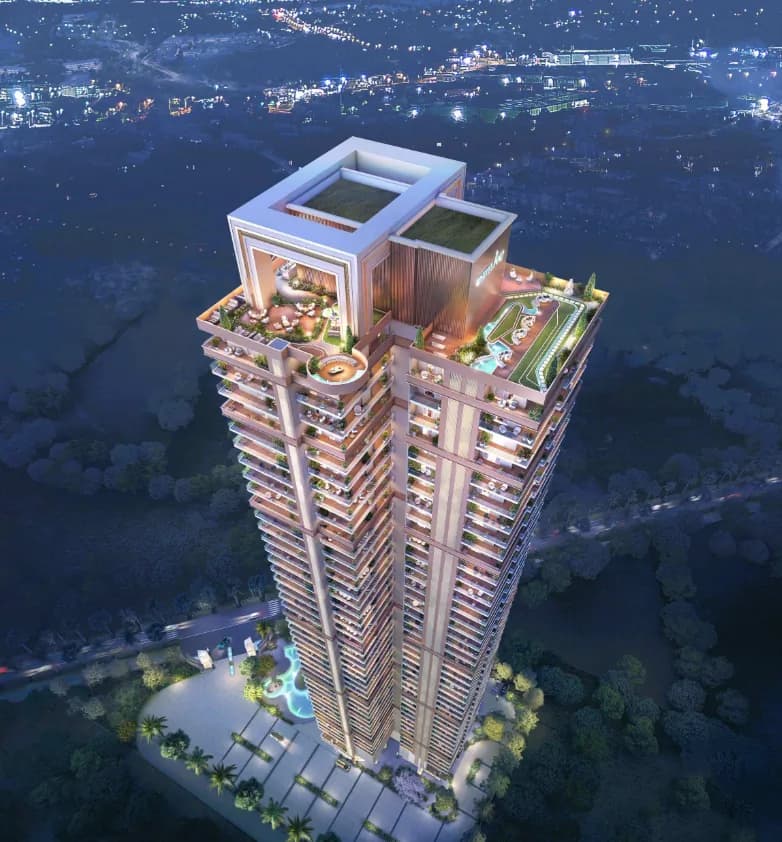
Westin Residences Gurugram provides a relevant example of how the branded residence model can extend across the three areas discussed in this article: pricing, management and sales.
From a pricing perspective, the value of the residence needs to be considered alongside its specifications, shared facilities, hospitality-led services and the wider ownership offering. From a management perspective, the focus shifts to how the residential environment, services and shared facilities are maintained and managed over time. From a sales perspective, the residence is presented as part of a wider hospitality-led offering, with the applicable project terms establishing what is included for buyers.
The project therefore offers a practical context for understanding why a branded residence should be assessed as more than a home carrying a recognised name. The relevant consideration is how the brand relationship connects with the residence, services and ongoing ownership experience.
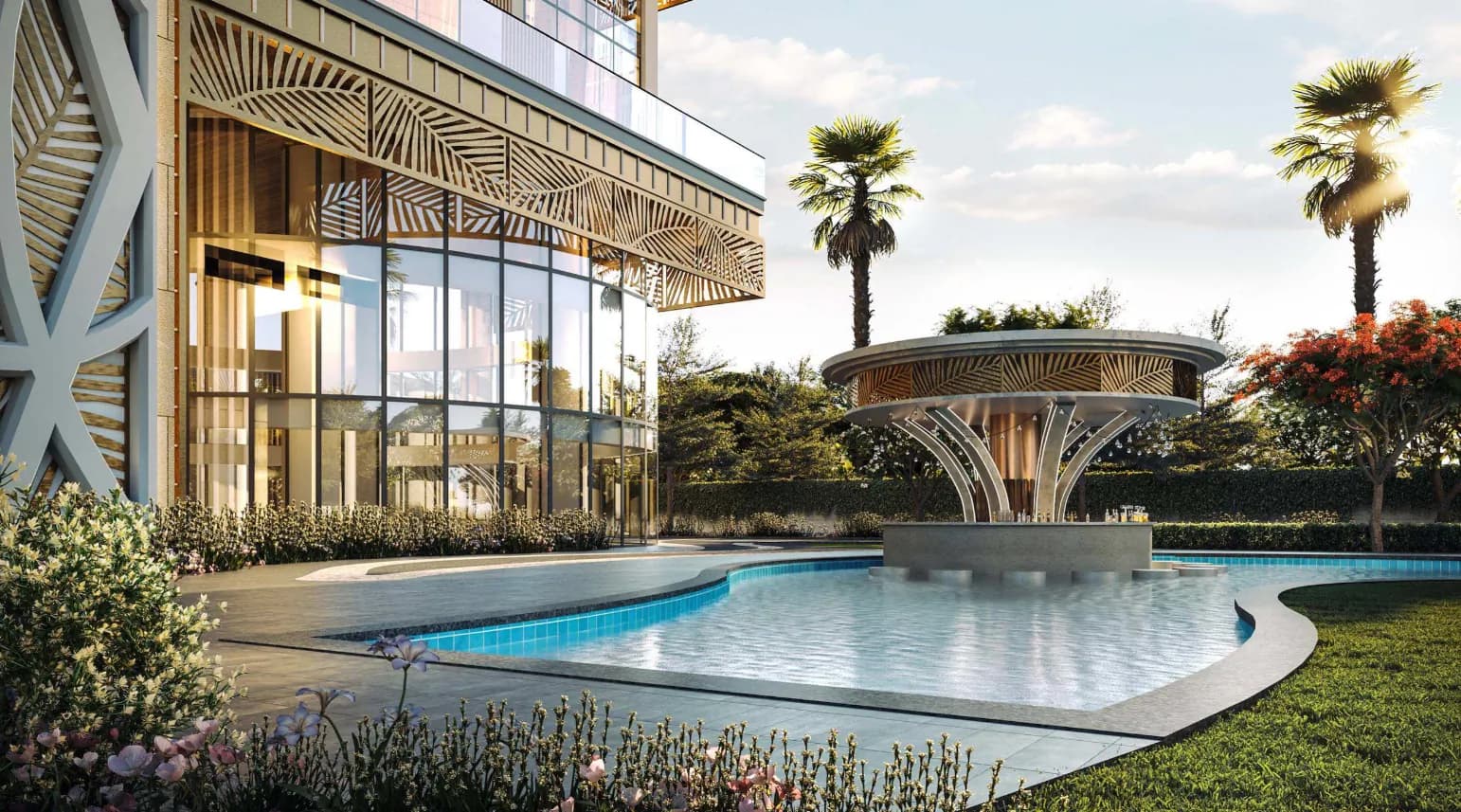
See the Clubhouse & Amenities and the Hospitality & Lifestyle offering for how those elements are presented at the project.
A Practical Way to Evaluate a Branded Residence
The brand name is only one part of the offering. Buyers should consider the residence itself, the scope of the brand relationship, the services and amenities provided, the applicable charges, and the long-term management and ownership arrangements. Reviewing these elements together provides a clearer understanding of what the residence offers beyond its branding.
Frequently Asked Questions
Can the same branded residence have different costs beyond the purchase price?
Does every branded residence offer the same level of services?
Can a branded residence have a separate residential management team?
What documents should buyers review before purchasing a branded residence?
Can services or benefits associated with a branded residence change over time?
Conclusion
A branded residence is not simply a premium home with a familiar name attached to it. Its offering can bring together private ownership with a defined brand relationship, services, shared spaces and an operating model.
For buyers, understanding how those elements are priced, managed and sold is more useful than focusing on the brand name alone. The exact structure varies from project to project, which makes the underlying agreements, service model and management arrangements important parts of the evaluation.
That is ultimately what distinguishes an informed look at branded residences from a simple list of amenities: understanding how the different elements work together and what they mean for everyday ownership.
Explore Westin Residences Gurugram.
About the Publisher:This article is published by Whiteland Corporation, a premium real estate developer with a focus on lifestyle-led residential projects in Gurugram. The insights shared are based on evolving residential trends, buyer behaviour, and long-term market observations.
Recent Blogs
←Back to all blogs
How Hafeez Contractor and BM&A Integrate Well-Being into Residential Design
Read More →
From Branded Residences to Westin: A New Chapter for Branded Living in India
Read More →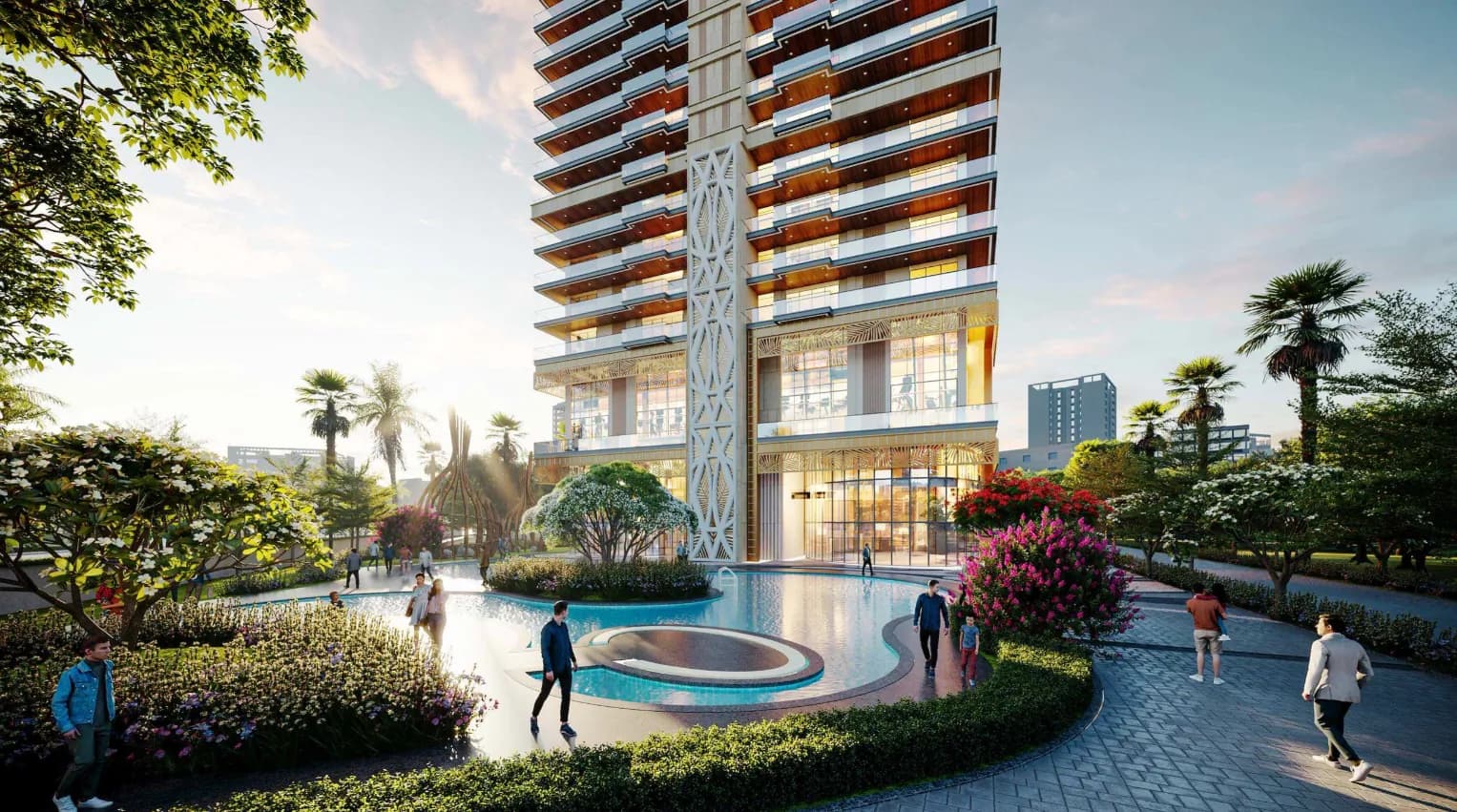
Why Developers Pay Millions for a Brand's Name and What That Money Buys You
Read More →