20 October, 2026
Why Developers Pay Millions for a Brand's Name and What That Money Buys You
Table of Contents
- 1.The Name Is Only One Part of the Investment
- 2.Why Would a Developer Work With a Hospitality Brand?
- 3.What Can the Investment Cover?
- 4.When Does the Investment Become Relevant to Residents?
- 5.What the Brand Does Not Replace
- 6.How Should Buyers Look at the Brand's Contribution?
- 7.How the Brand Relationship Takes Shape at Westin Residences Gurugram
- 8.The Value Goes Beyond the Brand Name
- 9.Frequently Asked Questions
A recognised hospitality name can add visibility to a residential development, but the commercial value of that relationship extends beyond the name itself. A developer may be investing in licensing rights, established standards, hospitality expertise, service frameworks and other forms of support that can influence how a residence is planned and experienced.
That makes the branded residence brand value worth examining from both sides. Developers need to understand what a brand relationship brings to a project, while buyers need to know how that investment can translate into something tangible in their everyday lives.
The Name Is Only One Part of the Investment
A hospitality brand attached to a residence usually sits within a formal arrangement between the brand and the developer. The terms can cover the use of trademarks as well as other areas of involvement, depending on the project.
The commercial value therefore cannot be judged simply by looking at the name displayed on a building. A branded residence licensing arrangement may sit alongside requirements relating to design, service delivery, operating practices or other aspects of the development.
The extent of those responsibilities varies. What matters is understanding what has actually been agreed and how those commitments are reflected in the finished residence.
Why Would a Developer Work With a Hospitality Brand?
The decision to enter a hospitality brand partnership can serve several purposes. It may help a developer establish a distinct identity for a project, bring specialist hospitality knowledge into selected areas and create a more structured approach to resident services.
Creating a Distinct Identity
Premium residential developments compete in a market where many projects offer similar categories of features, including large residences, extensive common areas and a range of amenities. A recognised hospitality brand can give a development a clearer identity by connecting it with an established service philosophy and a particular approach to hospitality. The strength of that identity, however, depends on what sits behind the name. The physical quality of the project, the services provided and the way the development operates remain important parts of the overall offering.
Bringing Hospitality Knowledge Into Residential Living
Hotels and residences have different operating models, but hospitality companies have experience in areas such as service delivery, guest interaction, presentation and operational consistency. Where that expertise forms part of a project agreement, it can influence selected aspects of residential living. The objective is not necessarily to replicate a hotel, but to apply relevant hospitality practices where they make sense within a residential environment.
Establishing Service Standards
A developer may already have experience delivering residential amenities and services, but a hospitality brand can bring its own frameworks and standards to selected areas. This is one reason branded residence brand standards can matter. Their value lies not in the terminology itself, but in whether those standards shape the way residents encounter services and shared spaces over time.
Giving the Project a Defined Position in the Market
A brand can also form part of the project's market positioning. For a developer, this can help communicate what distinguishes the development from other premium residential offerings. That distinction should still be supported by the actual product. A brand name cannot replace the quality of the homes, architecture, facilities, services or management arrangements.
What Can the Investment Cover?
There is no universal structure for every branded residence. The responsibilities of the brand and developer depend on their agreement, which means buyers should avoid assuming that every project follows the same model.
Trademark and Licensing Rights
The right to use a recognised hospitality brand is an important part of the relationship. Branded residence licensing establishes the basis on which the developer can use the relevant trademarks in connection with the project. But the licence itself does not explain everything a buyer receives. Other commitments, standards and services need to be considered separately.
Design Standards
Depending on the arrangement, a brand may have requirements or input relating to aspects of the development's design and resident-facing spaces. These standards can influence details that contribute to the overall experience, although the extent of that involvement will depend on the project.
Service Frameworks
A hospitality brand may also contribute frameworks for selected resident-facing services. These can influence how services are structured, presented or delivered. This is where branded residence services can become particularly relevant. The benefit is not simply having a list of services, but having an established approach to how those services are delivered.
Operating Practices
Some agreements can extend into selected operating areas. Depending on the project, this may involve standards, oversight or processes relating to aspects of the resident experience. The developer, brand and residential management team can have different responsibilities, so the operating structure needs to be understood on a project-by-project basis.
Other Forms of Support
Some brand relationships may include marketing, distribution or other forms of commercial support. These elements vary considerably and should not be presented as standard features across the entire branded-residence sector. The important point is that the developer's investment can involve several layers. The visible name is only the most obvious one.
When Does the Investment Become Relevant to Residents?
For a buyer, the commercial arrangement matters most when it has a visible effect on everyday living.
Design standards may influence shared environments. Service frameworks can shape the way resident-facing support is delivered. Operating practices can affect how facilities and services function over time.
These elements are connected. A residence may have attractive spaces, but the experience also depends on how those spaces are maintained, how services are organised and how consistently the intended standards are delivered.
That is where branded residence brand benefits become more meaningful. The value comes from the relationship between the brand's expertise and the actual residential experience, rather than from the name alone.
What the Brand Does Not Replace
A brand relationship does not remove the need for a strong underlying residential product.
The quality of the homes, architecture, construction, location, facilities, management arrangements and ongoing maintenance all remain important. A recognised name can form part of the overall offering, but it cannot independently determine the quality of everything else within a development.
This distinction is useful because it prevents the brand from becoming the sole measure of value. Buyers can instead look at what the relationship adds and assess that alongside the fundamentals of the property.
How Should Buyers Look at the Brand's Contribution?
The most useful approach is to move beyond the name and examine what the particular project actually provides.
Look at the Scope of the Relationship
Understand the role assigned to the hospitality brand and the areas in which it is involved. This gives context to the name associated with the development.
Examine the Standards
Consider whether the brand has defined requirements relating to design, service or operations and how those requirements are reflected in the project.
Review the Services
Look at the services available to residents, how they are delivered and whether any involve additional charges. This provides a more practical understanding of the offering.
Understand the Operating Structure
Different parties may have responsibility for development, branding, services and ongoing management. Knowing how those roles are divided helps put the brand's contribution into perspective.
Consider the Costs Alongside the Offering
The purchase price is only one part of the ownership equation. Maintenance charges, service fees and other ongoing expenses should be considered alongside the facilities and services available. This gives buyers a clearer basis for assessing branded residence buyer benefits without treating the brand name itself as the measure of value.
How the Brand Relationship Takes Shape at Westin Residences Gurugram
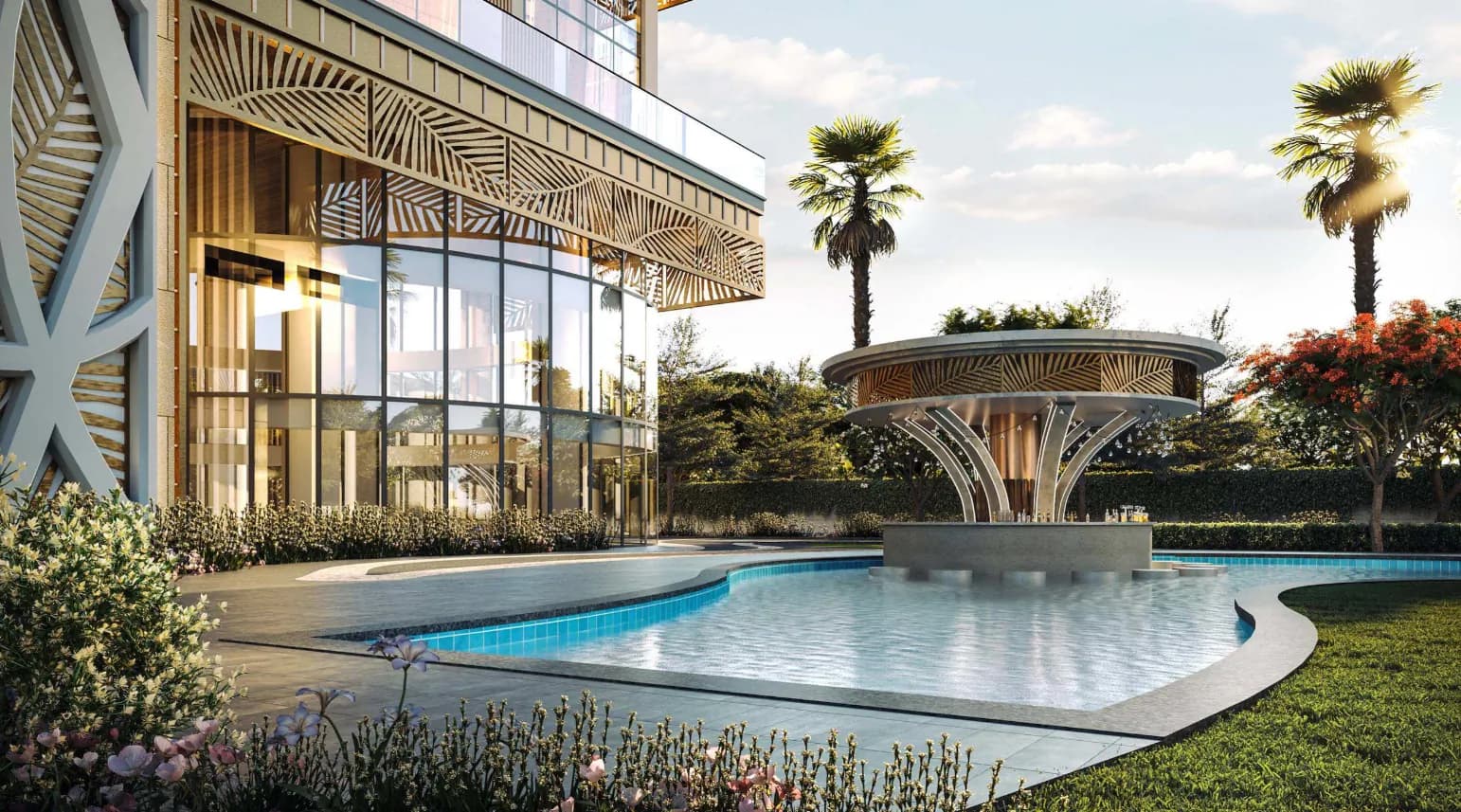
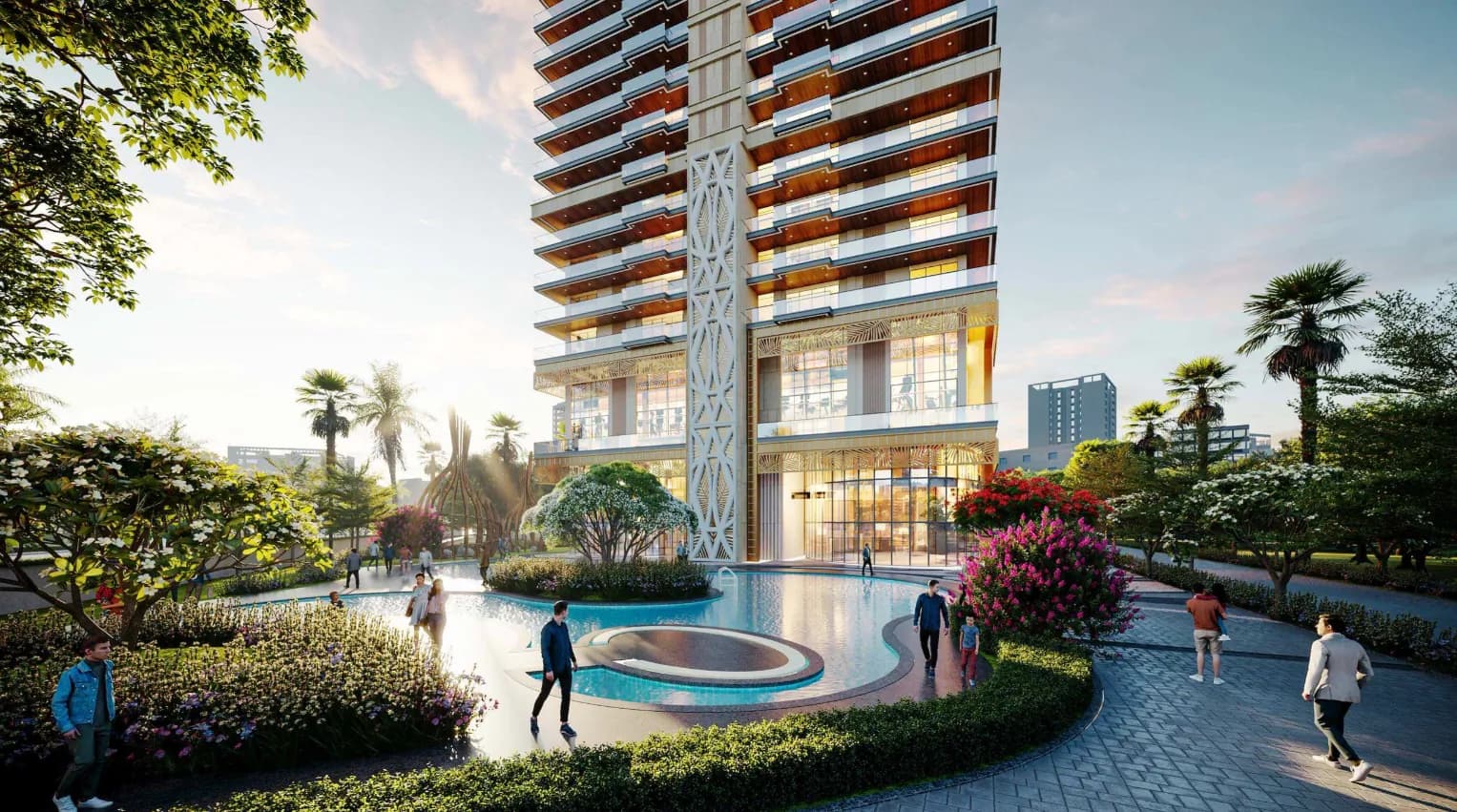
Westin Residences Gurugram shows how a hospitality brand can contribute to a residential development beyond the use of its name. The connection with the Westin brand extends into the wider residential experience through hospitality-led services, shared environments and an approach centred on everyday living.
For branded residence brand value, the more relevant consideration is what the brand contributes to the development in practice. Design, service standards and the resident experience provide a more meaningful basis for understanding that contribution than the brand name alone.
The Value Goes Beyond the Brand Name
The commercial case for a hospitality brand in residential development is not limited to putting a recognised name on a building. The investment can cover licensing, standards, expertise, service frameworks and other forms of involvement that shape different parts of the project.
For developers, the value lies in what those capabilities can contribute to the development. For buyers, the relevant question is how that contribution reaches the home they are considering.
A clearer understanding of the agreement, the standards, the services and the operating structure makes it easier to separate the value of the brand relationship from the visibility of the brand name itself.
Frequently Asked Questions
What factors can influence the cost of a hospitality brand partnership?
What happens if a project uses a hospitality brand but offers limited services?
Do brand standards continue to matter after a residence is completed?
Are branded residence services always included in the purchase price?
Can the value of a branded residence differ from one project to another?
Explore Westin Residences Gurugram and see how a hospitality-led approach is reflected in the residential experience.
About the Publisher:This article is published by Whiteland Corporation, a premium real estate developer with a focus on lifestyle-led residential projects in Gurugram. The insights shared are based on evolving residential trends, buyer behaviour, and long-term market observations.
Recent Blogs
←Back to all blogs
How Hafeez Contractor and BM&A Integrate Well-Being into Residential Design
Read More →
From Branded Residences to Westin: A New Chapter for Branded Living in India
Read More →
Branded Residences, Explained Simply: How They're Priced, Managed and Sold Differently
Read More →