22 October, 2026
From Branded Residences to Westin: A New Chapter for Branded Living in India
Table of Contents
Branded residences have developed from a niche extension of hospitality into a recognised segment of premium residential development. Across major cities and resort destinations, these projects combine private ownership with selected elements of hospitality, including service standards, design principles and resident amenities.
India is now establishing its own place within this category. For premium homebuyers, the conversation is moving beyond the recognition attached to a hospitality name and towards what that association can contribute to everyday residential life. Management, services, privacy, shared spaces and design can all influence how a branded residence functions over time.
Against this backdrop, Westin branded residences in India represent a notable development in the country's branded-residential market. Westin Residences Gurugram, developed by Whiteland Corporation, is located in Sector 103. Its official project site describes it as a hospitality-branded residence in India.
For Westin, moving from hospitality into residential living involves more than transferring a familiar identity to a residential address. A hotel is designed around a temporary stay, while a residence has to support routines, privacy and ownership over a much longer period. The relevance of this model therefore lies in how selected hospitality principles can be applied within a home designed for everyday life.
From Hospitality to Home
The growth of branded residences reflects a broader change in how premium buyers assess a home. Location, architecture, scale and materials remain important, but attention also extends to the experience of living in the property over time.
This is where branded residential developments can differ from conventional projects. The physical property remains central, but professional management, hospitality services and the way common areas are maintained can become part of the overall residential experience.
For affluent buyers, the appeal can extend beyond the private residence itself. The condition of shared facilities, the consistency of management and the availability of services can influence how a development works on an everyday basis.
The more useful way to assess branded living in India, therefore, is to consider which elements of hospitality genuinely contribute to residential life. Design, management, services and shared facilities need to work together without compromising the character of a private home.
Why Branded Living Is Finding Its Place in India
India's residential market has matured alongside the growth of its affluent consumer base and the development of new urban centres. Cities such as Mumbai, Bengaluru, Delhi NCR and Goa have seen premium residential developments compete on a combination of location, architecture, amenities and lifestyle.
Branded residences add another dimension by connecting a residential development with an established hospitality identity and its associated service philosophy. At the same time, the residential format provides something different from hotel accommodation: a permanent home with greater privacy, continuity and personal ownership.
That difference is important. Residents are not looking for a permanent hotel stay. They are looking for a home that can support everyday routines while providing services and facilities that add practical convenience.
As the category expands, the substance of the offering becomes increasingly relevant. The name attached to a development provides recognition, but the quality of the residential experience depends on how the property is designed, operated and maintained over time.
Westin Brings Well-Being Into the Residential Conversation
Westin's hospitality offering is associated with well-being, including facilities such as Heavenly Spa by Westin and WestinWORKOUT at The Westin Gurgaon, New Delhi. Marriott's official property information confirms both offerings.
Within a residence, well-being takes on a more everyday role. It can influence the spaces, routines and facilities that residents use regularly.
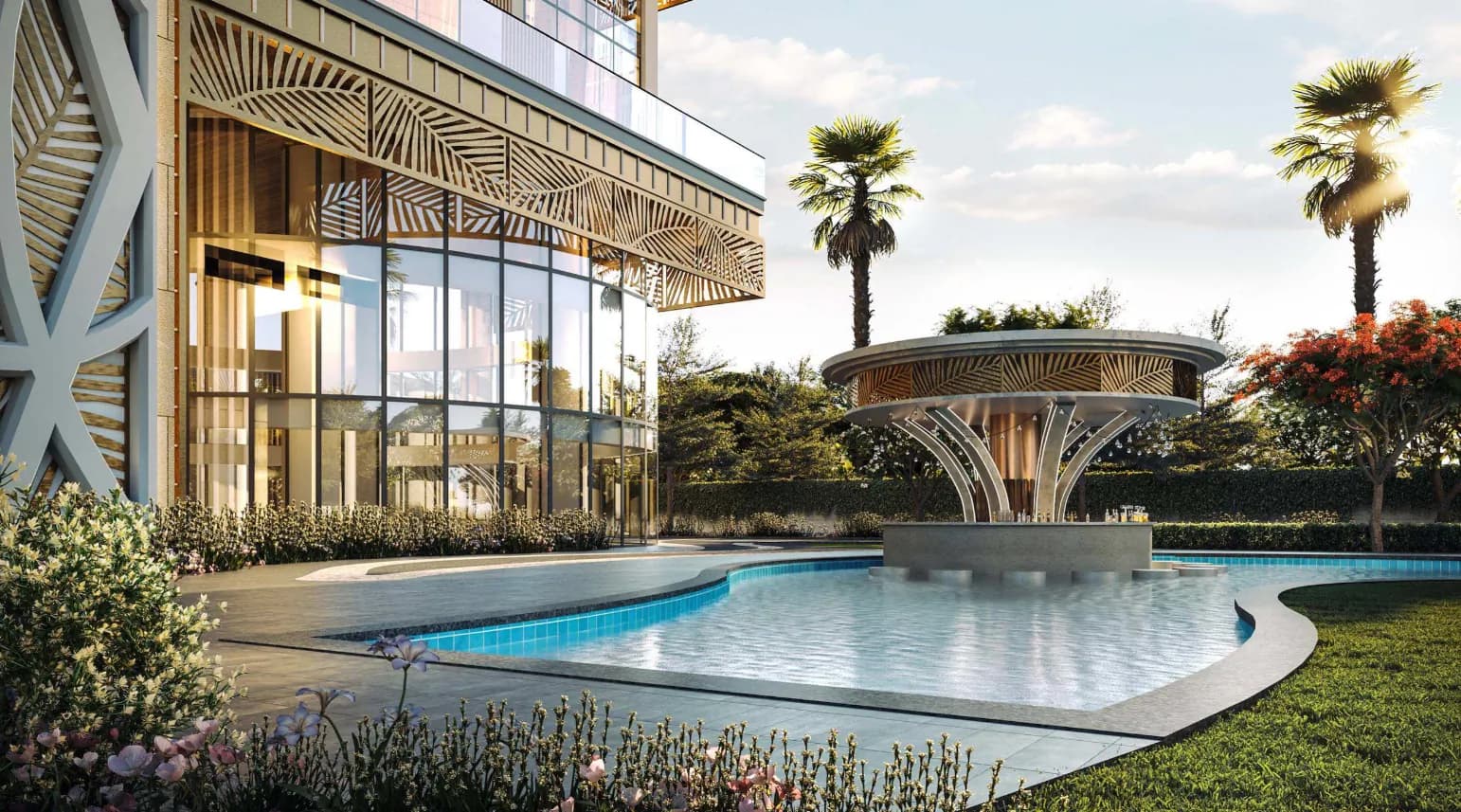
Westin Residences Gurugram's official project information describes a pedestrian-oriented masterplan with walking, jogging and cycling tracks, landscaped areas and a clubhouse, alongside a focus on hospitality and well-being.
The relevance lies in how these elements are planned together. A fitness facility, landscaped area or recreational space has greater meaning when its location, accessibility and relationship with the wider development support regular use.
For Westin residences in India, this provides a way to connect Westin's established focus on well-being with the practical requirements of residential life. Well-being becomes part of how the development is experienced rather than remaining an idea associated only with the hotel environment.
When Hospitality Becomes Part of Everyday Life
The residential application of hospitality is ultimately reflected in the way services are delivered. In a hotel, the guest experience is designed around a relatively short period. In a residence, the standard of service and management needs to remain relevant as residents make the property part of their daily lives.
Common areas need to be maintained, services need to be dependable and the wider environment needs to retain its quality over time. This makes the operating model relevant to hotel-branded residences, rather than treating it as something separate from the physical development.
Architecture establishes the physical character of a property, while management influences how that environment performs after residents move in.
For a brand such as Westin, the operating model becomes an important part of translating hospitality principles into residential use. Services need to complement the privacy and independence expected from a permanent home while remaining practical for everyday requirements.
Why Gurugram Is Relevant to the Next Phase
The location of Westin Residences Gurugram is also relevant to its residential positioning. The project is situated in Sector 103 along the Dwarka Expressway. Its official location information places the development 12 km from Indira Gandhi International Airport and highlights connectivity to business, education, healthcare and lifestyle destinations across the National Capital Region.
The location also places the development within an established urban market, while the residential format is designed around long-term ownership rather than short-term accommodation.
What the Next Phase of Branded Living Could Look Like
As branded residential developments in India continue to evolve, greater attention is likely to fall on execution rather than novelty. Buyers can assess the quality of design, management, services, shared facilities and ongoing maintenance alongside the hospitality affiliation itself.
This marks a natural progression for an emerging category. Once branded residences become more familiar, differentiation depends less on introducing the concept and more on how effectively the individual development delivers its intended experience.
For developers, that places importance on selecting a hospitality partner whose identity has a meaningful connection with the intended residential experience. For hospitality brands, it requires adapting principles developed for hotels and resorts to a form of ownership in which residents expect privacy, continuity and control over their homes.
Westin's entry into standalone branded residences in India forms part of this broader development. Its established focus on well-being provides a distinct direction for the residential offering.
The story is therefore not simply about attaching a hospitality name to a residential address. It is about how established hospitality identities can be adapted to meet the expectations of people who will live in these developments for years.
For buyers, that makes the details particularly important: the quality of the home, the management model, the services available, the shared facilities and the way the development is maintained over time.
The development of branded living in India will continue to place attention on how these elements work together. Recognition may introduce the category, but the residential experience is shaped by what residents encounter every day.
Explore Westin Residences Gurugram.
About the Publisher:This article is published by Whiteland Corporation, a premium real estate developer with a focus on lifestyle-led residential projects in Gurugram. The insights shared are based on evolving residential trends, buyer behaviour, and long-term market observations.
Recent Blogs
←Back to all blogs
How Hafeez Contractor and BM&A Integrate Well-Being into Residential Design
Read More →
Why Developers Pay Millions for a Brand's Name and What That Money Buys You
Read More →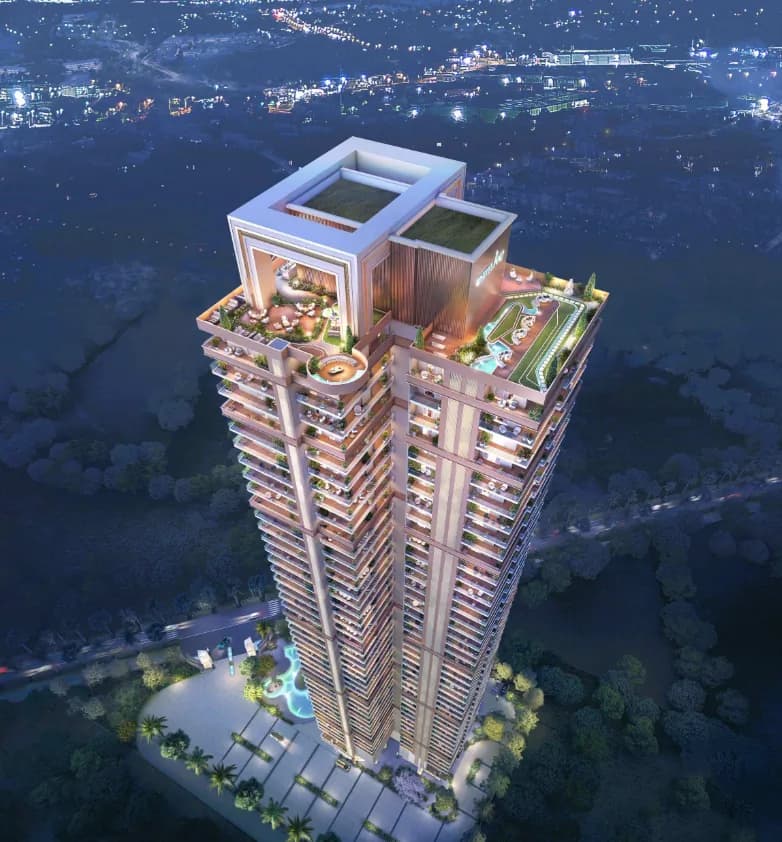
Branded Residences, Explained Simply: How They're Priced, Managed and Sold Differently
Read More →