12 September, 2026
Why Well-Being Is Becoming a Differentiator in Real Estate
Table of Contents
- 1.From Well-being Amenities to Well-being-Led Living
- 2.The Home Is Becoming Part of the Well-being Routine
- 3.Movement Starts With the Way a Community Is Planned
- 4.Nature Has a Role to Play
- 5.Rest Deserves the Same Attention as Activity
- 6.Well-being Includes How People Connect
- 7.Why Well-being Can Become a Real Estate Differentiator
- 8.The Importance of Choice
- 9.What Buyers Should Look for in Well-being-Focused Real Estate
- 10.Why This Matters in India's Growing Cities
- 11.The Future of Well-being in Residential Design
- 12.Westin's Perspective on Residential Well-being
- 13.A Broader Definition of Residential Value
A home has always been expected to provide comfort, security and a sense of belonging. What is changing is the way people think about the relationship between their home and quality living.
Residential decisions have traditionally been shaped by familiar fundamentals such as location, size, architecture, construction quality and access to amenities. Those considerations remain important, but they are increasingly being evaluated alongside more personal questions. Does the environment make it easier to maintain healthy routines? Is there space to slow down at the end of a demanding day? Can residents spend time outdoors without leaving the community? Does the home support good rest, movement, social connection and time with family?
These questions point to a broader shift in residential thinking, where well-being is becoming less of a specialist amenity and more of a consideration woven into the experience of living.
The change is particularly relevant to urban environments. As professional and personal lives become more demanding, the home has taken on a greater role in helping people manage the pace of everyday life. A residence is no longer simply a private space within a larger development. The landscape, common areas, recreational facilities, services and the quality of the surrounding environment can all influence how that home is experienced.
This is where well-being in real estate is beginning to find a distinct place within the residential conversation.
From Well-being Amenities to Well-being-Led Living
For many years, well-being in residential development was largely represented by a familiar collection of facilities: a gym, swimming pool, spa, yoga room or sports court. These remain useful, but the conversation has become more nuanced.
Well-being is now increasingly associated with the conditions that make healthy living easier and more sustainable. Natural light, access to nature, opportunities for movement, spaces for rest, thoughtful layouts and places that encourage social connection can all contribute to a more balanced residential experience. The emphasis is therefore shifting from individual amenities to the way an entire environment works together.
This distinction matters because a development can have an impressive list of facilities without necessarily supporting everyday well-being. A fitness centre is valuable, but its impact is greater when residents can reach it easily and when the surrounding environment encourages an active lifestyle. A landscaped garden has greater meaning when it provides somewhere people genuinely want to walk, sit or spend time with others.
In this sense, well-being is becoming part of the underlying design philosophy of a residence rather than an additional feature to be added to a specification sheet.
The Home Is Becoming Part of the Well-being Routine
Many of the choices that influence well-being are made through ordinary routines rather than occasional activities. The way a person begins the morning, moves through the day, works, eats, spends time outdoors and prepares for rest can all be influenced by the environment around them.
Residential design has the ability to support those routines without making them feel prescribed.
Natural light can change the atmosphere of a room and influence how it is used throughout the day. A balcony or terrace can create an easy connection with the outdoors. A well-planned kitchen can support everyday meals. Landscaped paths can encourage residents to walk rather than simply move between buildings by car. Spaces for exercise can make physical activity more convenient, while quieter areas can provide a place to read, reflect or simply step away from a busy schedule.
None of these elements needs to dominate the experience of a home. In fact, their greatest value may come from how naturally they fit into everyday life.
That is an important principle for well-being-focused residential development. The objective is not to turn a home into a health programme, but to create surroundings that make a range of positive choices more accessible.
Movement Starts With the Way a Community Is Planned
Urban lifestyles can make physical activity surprisingly easy to postpone. Long working hours, traffic, car-dependent journeys and extended periods of sitting can leave exercise competing with everything else in the day.
Residential planning cannot solve every aspect of this challenge, but it can remove some of the friction.
Walking routes, cycling paths, landscaped open spaces, sports facilities and fitness areas can make movement part of the environment rather than an activity that always requires a separate trip. The quality and placement of these spaces are important because residents are more likely to use facilities that feel convenient, welcoming and connected to their everyday routines.
At Westin Residences Gurugram, this thinking is reflected in the way fitness, sport and outdoor spaces are integrated into the residential environment. The development includes dedicated fitness and movement areas, alongside facilities for tennis, badminton, squash and pickleball. Outdoor spaces are planned for walking, jogging and cycling, giving residents different ways to incorporate movement into everyday life.
The value lies not simply in the number of facilities, but in the choice they provide. Different residents can build movement into their day in different ways, whether that means a structured workout, a game of sport, a morning walk or an evening cycle.
Nature Has a Role to Play
As cities become denser, access to meaningful outdoor space becomes increasingly valuable.
The role of landscape in residential design is therefore changing. Green spaces are no longer viewed only as visual elements that improve the appearance of a development. They can provide places to walk, meet, pause and spend time away from indoor environments, while creating a stronger relationship between buildings and the natural world.
This connection can be especially important in urban residential settings, where opportunities to experience nature may otherwise be limited by the pace and density of the surrounding city.
The most effective landscape design tends to be integrated into everyday movement. A resident should be able to encounter greenery on the way to the clubhouse, while taking a walk in the evening or spending time with family outdoors. The experience becomes part of the rhythm of the community rather than something reserved for a particular destination.
For well-being-focused residential developments, this relationship between architecture, landscape and movement can be one of the most meaningful aspects of the design.
Rest Deserves the Same Attention as Activity
Residential well-being often begins with movement, but rest is equally important.
The bedroom is one of the most personal spaces in a home, and its design can influence how restorative it feels. Light, acoustics, ventilation, temperature, materials and the overall sense of calm can all contribute to the quality of the environment in which people rest.
Hospitality brands have long understood the importance of rest because a guest's experience can be shaped significantly by how well they rest. Bringing that understanding into a residence requires a different perspective, since the objective is not simply to recreate a hotel room. It is to apply relevant principles of restorative design to a permanent home.
Westin's broader philosophy of well-being recognises that different aspects of everyday life are interconnected, rather than treating well-being as a single activity.
At Westin Residences Gurugram, this philosophy informs the wider residential proposition, extending from private living spaces to fitness, recreation, dining and hospitality services.
For residents, the significance is simple. A home should support the moments when people are active, but it should also support the moments when they need to recover.
Well-being Includes How People Connect
There is another dimension to residential well-being that can be overlooked when the conversation focuses heavily on fitness and health: social connection.
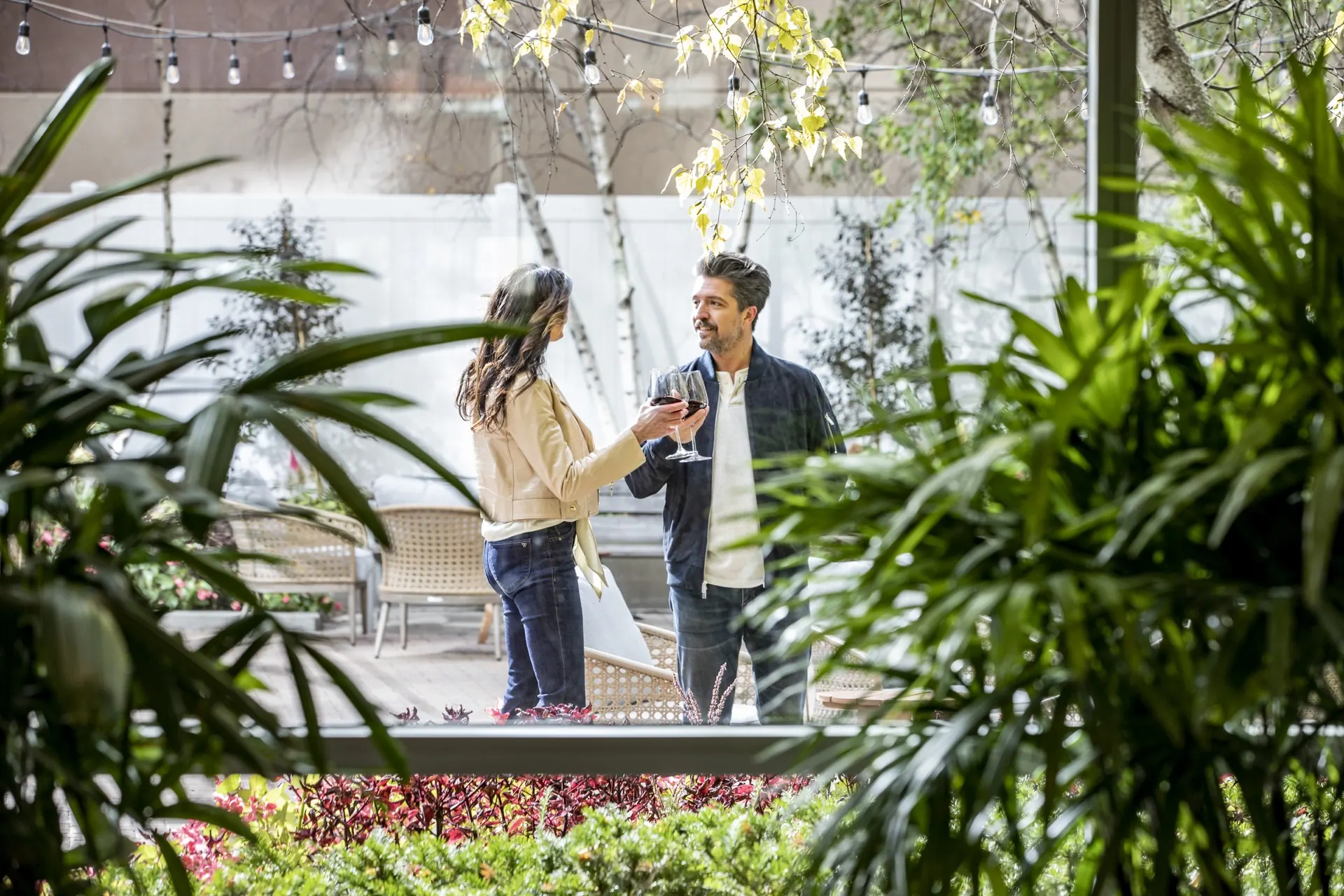
People want privacy at home, but they also value opportunities to meet friends, spend time with family and build a sense of community. Residential environments can support both needs through a thoughtful balance of shared and private spaces.
A clubhouse can provide a setting for social gatherings. Sports facilities can bring people together through shared interests. Dining spaces can support informal meetings. Children's areas can make it easier for families to spend time within the community. Outdoor spaces can offer a more relaxed setting for conversation.
At the same time, residents need places where they can retreat from social activity.
This balance is particularly relevant to hospitality-led residential design. Hospitality is not simply about interaction and service. It is also about understanding when people want attention and when they value privacy.
A well-designed residential environment gives residents that choice.
Why Well-being Can Become a Real Estate Differentiator
Real estate is experienced over years, not simply during a property viewing.
A beautifully designed entrance or impressive amenity area may create an immediate impression, but the long-term relationship with a home develops through repeated, everyday experiences. The walk to the fitness centre, the morning light in the bedroom, the availability of outdoor space, the ease of meeting friends, the convenience of services and the quality of shared areas can all influence how residents feel about where they live.
This gives well-being a particular relevance in residential real estate.
It is closely connected to frequency.
A feature that is used once every few months may have limited influence on everyday life. An environment that supports movement, rest, connection and access to nature on a regular basis can become part of a resident's routine without requiring conscious effort.
That is why well-being can be a meaningful differentiator. Its value is not necessarily found in a single facility. It is found in the cumulative experience of living within an environment that has been designed with well-being in mind.
The Importance of Choice
There is no universal definition of well-being.
Different residents have different routines. One person may begin the day with a run, while another may prefer yoga or a quiet walk. Families may value sports and recreation, while professionals may place greater importance on spaces that allow them to work comfortably from home. Some residents may seek social activity, while others may value peaceful outdoor areas.
A successful well-being-led development therefore needs to provide choice rather than prescribe behaviour.
This is where thoughtful planning becomes important. A range of spaces can allow residents to decide how they want to use their environment, depending on the day, season or stage of life.
The role of design is to create those possibilities.
The resident decides which ones become part of their routine.
What Buyers Should Look for in Well-being-Focused Real Estate
As well-being becomes a more common part of residential marketing, buyers will need to distinguish between a genuine approach to well-being and a simple list of well-being-related features.
One useful starting point is to look at how well-being is reflected in the design itself. Is there meaningful access to outdoor space? Are walking and movement naturally supported? Does the residence receive adequate natural light? Are there areas designed for rest and privacy? Are fitness and recreational facilities convenient to use?
The next consideration is the relationship between these elements. A development may contain a gym, landscaped gardens and a clubhouse, but the more important question is whether they form a coherent residential experience.
Services also deserve attention. Buyers should understand what is included, what is optional and how ongoing management will work. The quality of a well-being-led environment depends not only on its original design, but also on how well shared spaces and facilities are maintained over time.
Finally, the fundamentals of real estate still matter. Location, construction quality, functionality, management and long-term value should remain central to any residential decision.
Well-being adds another dimension to those considerations. It should not replace them.
Why This Matters in India's Growing Cities
India's urban landscape is changing rapidly, and so are expectations around residential life.
Greater awareness of health and well-being, changing work patterns, longer urban commutes and increasing exposure to international hospitality standards are encouraging buyers to consider more than the physical characteristics of a home.
This does not mean that every buyer wants the same residential experience. It does suggest that the environment in which people live is becoming more important.
Gurugram is a useful example of this shift. The city has developed into a major business and residential centre, creating a lifestyle in which convenience, connectivity and the quality of the residential environment all play a role.
In such a setting, a residence that offers opportunities for movement, recreation, rest and social connection within the community can provide a different experience from one that focuses primarily on private living space.
The broader opportunity for well-being in real estate in India lies in recognising this changing relationship between home and everyday life.
The Future of Well-being in Residential Design
Well-being is unlikely to remain a niche consideration within real estate.
As buyers become more familiar with the category, the conversation is likely to move away from simply counting amenities and towards evaluating how thoughtfully a development supports the people who live there.
Future residential projects may place greater emphasis on walkability, natural environments, adaptable spaces, fitness, restorative areas and access to services. Technology may also make it easier to access facilities, arrange services and personalise aspects of the residential experience.
But the most meaningful elements may remain remarkably simple.
A comfortable place to walk. A bedroom designed for rest. A garden that people actually use. A fitness space that is convenient enough to become part of a routine. A shared environment that encourages connection without compromising privacy.
These are not passing trends. They respond to fundamental aspects of how people live.
The opportunity for developers and brands is therefore not to add well-being as another layer of marketing, but to consider it earlier in the design and planning process.
Westin's Perspective on Residential Well-being
Westin's approach to well-being has developed through its hospitality experience, where the quality of a guest's stay is closely connected to how they rest, eat, move, work, relax and spend their time.
Residential living offers a different opportunity because the relationship with the environment is much longer.
A hotel guest may experience a destination for a few nights. A homeowner may experience the same principles over years. That makes consistency, adaptability and everyday relevance particularly important.
At Westin Residences Gurugram, the approach brings together private residences, well-being-focused spaces, recreation, dining and hospitality services within a residential environment. The Clubhouse & Amenities provides spaces for fitness, sport, movement and leisure, while the Hospitality & Lifestyle offering extends the experience through services designed around everyday convenience.
The objective is not to recreate a hotel within a residential development.
It is to consider which principles of hospitality and well-being can genuinely make residential life more considered, comfortable and connected.
A Broader Definition of Residential Value
The growing interest in well-being-focused real estate reflects a broader change in the way people think about their homes.
Space, location, architecture and construction quality remain fundamental. Yet the experience created around those fundamentals can influence how a residence feels over the long term.
A home that supports movement, provides access to nature, encourages social connection and creates opportunities for rest can become part of a healthier and more balanced daily routine. These benefits are not always captured in a traditional property specification, but they can become increasingly apparent through everyday use.
That is why well-being is emerging as a differentiator in real estate.
The opportunity is not simply to build more facilities. It is to create residential environments in which the different elements work together, from architecture and landscape to amenities, services and the private home itself.
When that integration is thoughtful, well-being becomes less about a dedicated room or programme and more about the character of the place.
For residential development, that may prove to be the more lasting shift.
The homes of the future will continue to be judged by where they are, how they are built and how they look. Increasingly, however, they may also be judged by a more fundamental question: how well do they support the lives of the people who call them home?
Explore Well-Being at Westin Residences Gurugram.
About the Publisher:This article is published by Whiteland Corporation, a premium real estate developer with a focus on lifestyle-led residential projects in Gurugram. The insights shared are based on evolving residential trends, buyer behaviour, and long-term market observations.
Recent Blogs
←Back to all blogs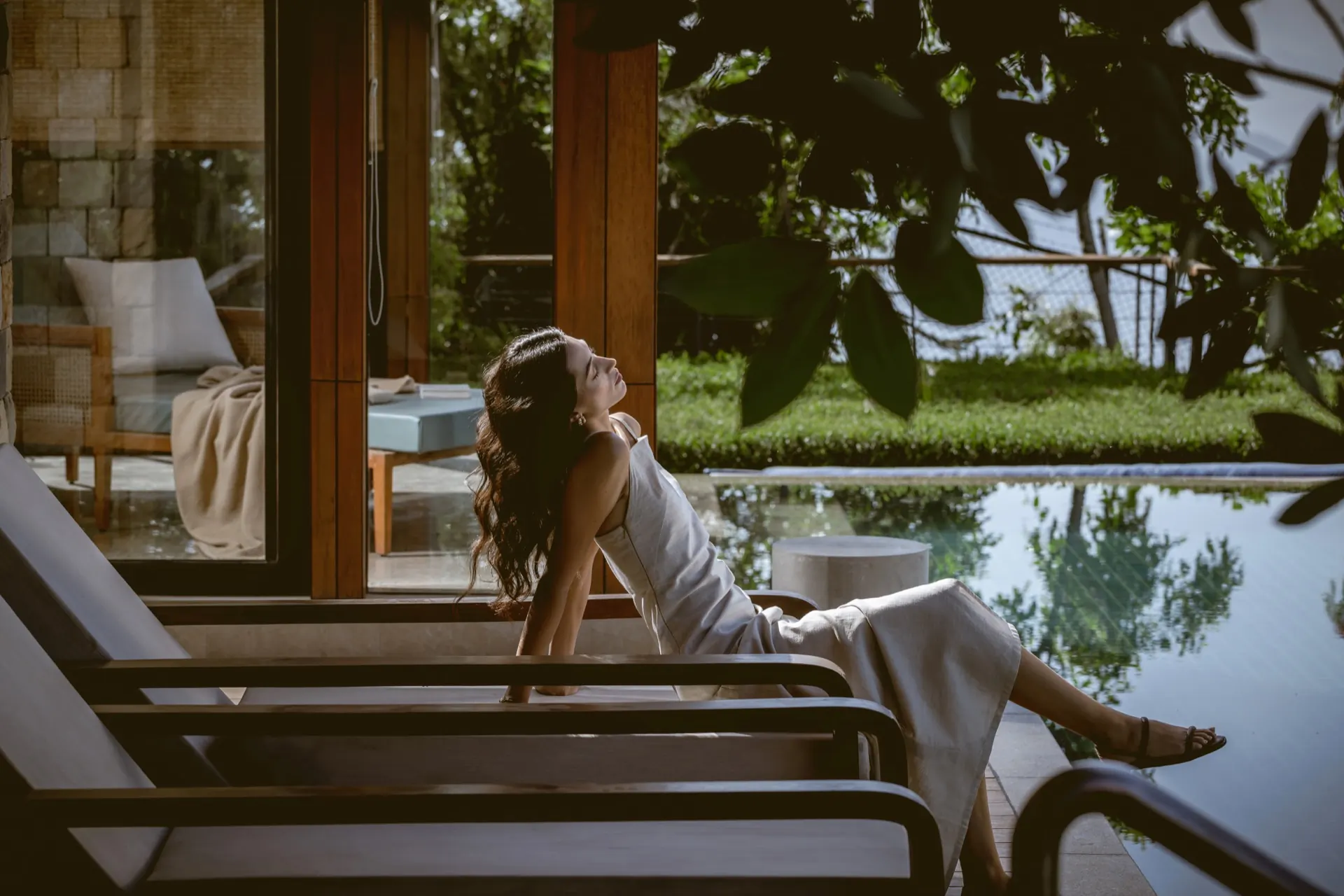
What Makes a Residence Future-Ready?
Read More →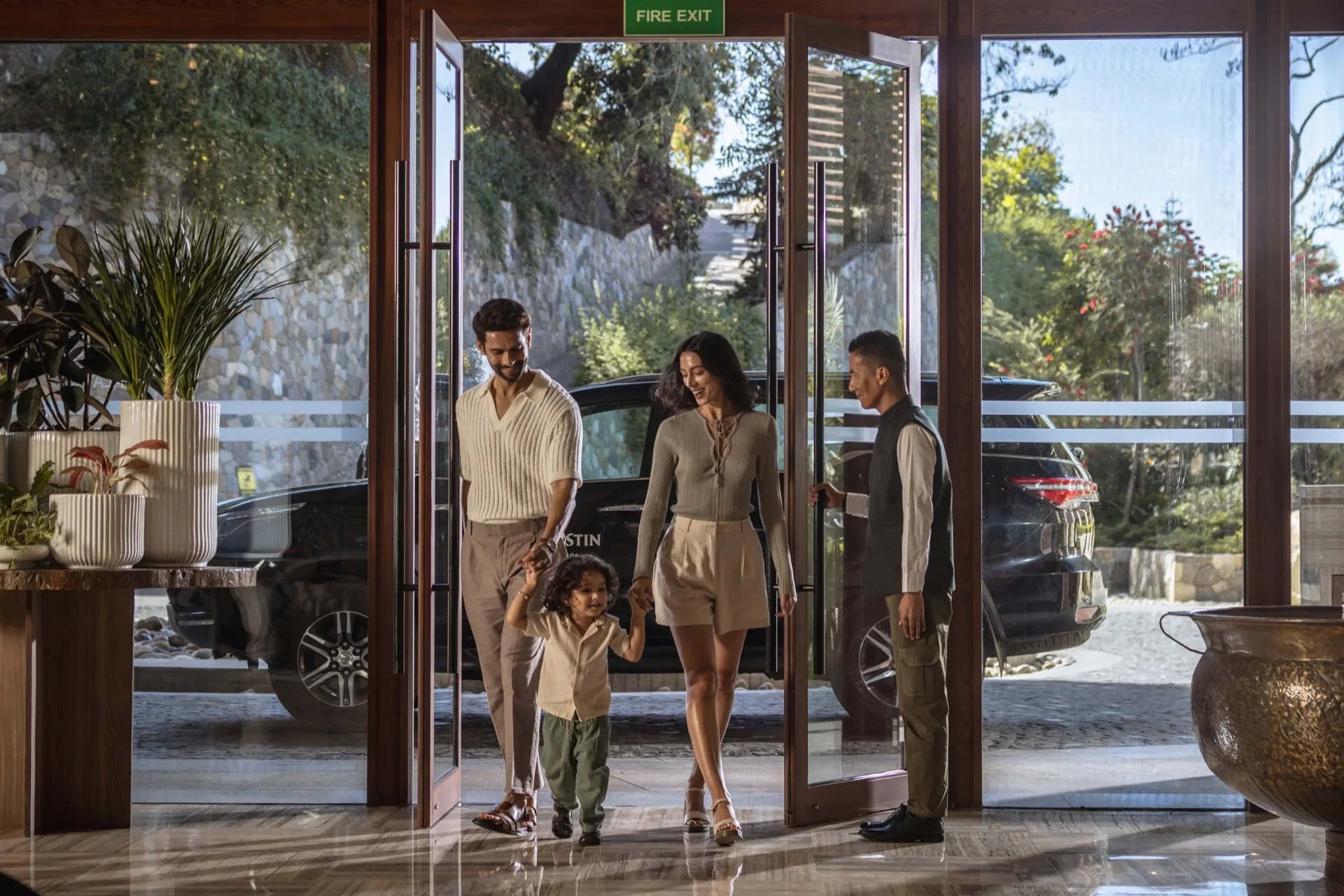
The Value of Professionally Managed Living
Read More →
Why Branded Residences Are Becoming the Next Residential Category
Read More →